Apple Arcade Disappoints Devs, Lacks Player Appeal
- By Finn
- Jan 09,2026
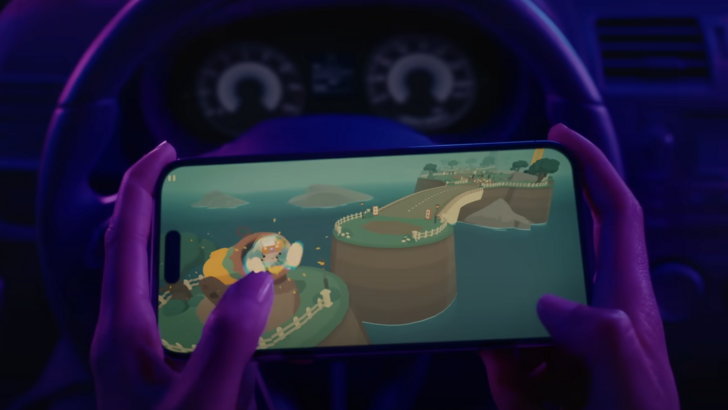

While Apple Arcade offers mobile game developers a unique distribution channel, persistent platform issues have generated widespread dissatisfaction. Mobilegamer.biz's investigative report reveals deep-seated concerns among development studios.
Though Several Game Devs Credit Apple for Their Studios' Sustainability
Mobilegamer.biz's "Inside Apple Arcade" report exposes significant frustrations among developers working with Apple's gaming subscription service. Chronic issues include inconsistent payment schedules, insufficient technical assistance, and poor game visibility.
Multiple studios reported unacceptable response times from Apple's team. An independent developer revealed waiting six months for payment, nearly forcing their studio to close: "Dealing with Apple has become increasingly difficult. The platform lacks clear direction, with shifting priorities year after year. Technical support remains woefully inadequate."
Another studio executive shared similar frustrations: "Communication blackouts lasting weeks are common. Even basic inquiries about technical or business matters often go unanswered or receive vague responses due to internal restrictions."

The visibility crisis emerged as another critical pain point. One developer described their game as "effectively buried" after Apple declined promotional support: "We've taken their exclusivity money, but without platform promotion, our game might as well not exist. The financial security comes at the cost of audience reach."
Quality assurance procedures also drew criticism for being unnecessarily cumbersome. Developers described submitting thousands of screenshots to demonstrate compatibility across devices and languages - a process many found excessive.
Despite these concerns, some developers recognized Apple Arcade's evolving focus. "The service has refined its target audience over time," noted one studio head. "If their business thrives on family-friendly content rather than experimental indie games, that's their prerogative - and an opportunity for developers who can deliver."
Several developers acknowledged Apple's financial backing proved crucial for their survival. "Our development deal covered our entire production budget," confessed one developer. "Without Apple's support, our studio likely wouldn't exist today."
Dev says Apple does not understand gamers

Developers suggested Apple Arcade suffers from strategic ambiguity within the company ecosystem. "The service feels like an afterthought rather than an integrated component of Apple's offerings," commented one studio executive. "There's minimal understanding of their player base - we receive virtually no actionable data about audience behavior or preferences."
The prevailing sentiment painted Apple as treating developers as contractual obligations rather than creative partners. "As a tech giant, they approach developers transactionally - we're expected to tolerate unfavorable terms for the chance at future projects," one anonymous developer lamented.
Latest News
more >-

- Echocalypse Tips to Fortify Your Case
- May 16,2026
-
- Vampire Survivors Expands to Tabletop
- May 14,2026
-

-

-
- Ragnarok X: New Player Guide to Midgard
- May 09,2026