They Don’t Make ‘Em Like David Lynch Anymore
- By Nicholas
- Feb 25,2025
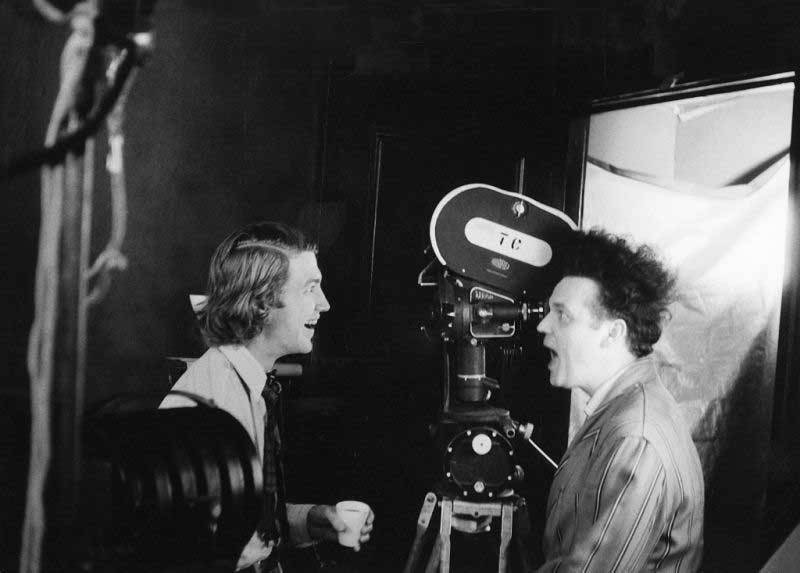
This piece explores the enduring legacy of David Lynch, a filmmaker whose unique style, described as "Lynchian," continues to influence contemporary cinema. The article begins by referencing a pivotal scene from Twin Peaks, highlighting Lynch's ability to portray the mundane alongside the unsettling, a hallmark of his work.
The author argues that "Lynchian" transcends simple stylistic descriptors like "Spielbergian" or "Scorsese-ish," encompassing a broader sense of unease and dreamlike quality. This is illustrated by comparing the distinct atmospheres of Eraserhead and The Elephant Man, showcasing Lynch's range from disturbing surrealism to poignant humanism.
The discussion extends to Twin Peaks: The Return, emphasizing Lynch's defiance of conventional Hollywood expectations and his consistent exploration of the unsettling realities hidden beneath the surface of normalcy. The article contrasts this with his experience making Dune, highlighting the challenges he faced while still maintaining his distinctive visual style.
The author then examines the influence of Lynch's work on contemporary filmmakers. They cite examples such as Jane Schoenbrun's I Saw the TV Glow, Yorgos Lanthimos' films, Robert Eggers' The Lighthouse, and Ari Aster's Midsommar, all of which share a similar unsettling atmosphere and exploration of the uncanny. The influence is also seen in the works of David Robert Mitchell, Emerald Fennell, Richard Kelly, and Rose Glass, along with Denis Villeneuve's earlier films.
The article concludes by acknowledging that Lynch's work may not appeal to everyone, but emphasizes his significant impact on cinema. His ability to blend seemingly disparate elements—the ordinary and the extraordinary, the beautiful and the grotesque—created a unique cinematic language that continues to inspire and unsettle audiences. The author expresses a desire to continue searching for the "Lynchian" elements hidden beneath the surface of everyday life and film.
Latest News
more >-

- Chibi Go's Global Debut: Android Pre-Reg Starts
- Apr 15,2026
-
-

-

-

- GTA 6 May Feature Cameo by DJ Khaled
- Apr 03,2026