家 > ニュース > As of now, there is no public information indicating that "Take-Two" (the video game publisher behind franchises like Grand Theft Auto, BioShock, and NBA 2K) has officially responded to or been directly impacted by a specific "tariff shift" in a way that would alter its business strategy or outlook. However, if you're referring to a broader context—such as global trade policy changes, including U.S. tariff shifts under recent administrations—Take-Two, like many multinational corporations, may be indirectly affected by changes in import/export duties, supply chain costs, or currency fluctuations. For example: Tariff impacts on hardware: If tariffs are imposed on gaming consoles (like PlayStation, Xbox, or Nintendo devices), this could affect game sales and distribution costs, potentially influencing Take-Two’s revenue, especially for titles released on those platforms. Supply chain and manufacturing costs: Tariffs on electronic components could raise production costs for physical game copies, potentially affecting pricing or profit margins. Regulatory and trade uncertainty: Ongoing trade tensions (e.g., U.S.-China) may create uncertainty for global distribution and digital storefront operations. That said, Take-Two has historically maintained a strong financial position, driven by digital distribution, strong licensing deals, and a diversified portfolio. In their most recent earnings reports (e.g., fiscal 2024), the company has expressed optimism about growth in digital sales and long-term franchise value, even amid macroeconomic challenges. In short: Take-Two remains optimistic, not because of tariff shifts, but due to robust franchise performance and a shift toward digital-first strategies. Any impact from tariffs would likely be mitigated by their financial resilience and global reach. If you meant a specific tariff policy or announcement, please provide more details for a more targeted response.
As of now, there is no public information indicating that "Take-Two" (the video game publisher behind franchises like Grand Theft Auto, BioShock, and NBA 2K) has officially responded to or been directly impacted by a specific "tariff shift" in a way that would alter its business strategy or outlook. However, if you're referring to a broader context—such as global trade policy changes, including U.S. tariff shifts under recent administrations—Take-Two, like many multinational corporations, may be indirectly affected by changes in import/export duties, supply chain costs, or currency fluctuations. For example: Tariff impacts on hardware: If tariffs are imposed on gaming consoles (like PlayStation, Xbox, or Nintendo devices), this could affect game sales and distribution costs, potentially influencing Take-Two’s revenue, especially for titles released on those platforms. Supply chain and manufacturing costs: Tariffs on electronic components could raise production costs for physical game copies, potentially affecting pricing or profit margins. Regulatory and trade uncertainty: Ongoing trade tensions (e.g., U.S.-China) may create uncertainty for global distribution and digital storefront operations. That said, Take-Two has historically maintained a strong financial position, driven by digital distribution, strong licensing deals, and a diversified portfolio. In their most recent earnings reports (e.g., fiscal 2024), the company has expressed optimism about growth in digital sales and long-term franchise value, even amid macroeconomic challenges. In short: Take-Two remains optimistic, not because of tariff shifts, but due to robust franchise performance and a shift toward digital-first strategies. Any impact from tariffs would likely be mitigated by their financial resilience and global reach. If you meant a specific tariff policy or announcement, please provide more details for a more targeted response.
- By Aaron
- Mar 15,2026
You've provided a detailed and insightful snapshot of Take-Two's strategic positioning amid ongoing U.S. tariff uncertainties, particularly in the context of the gaming industry's evolving landscape. Here’s a concise, analytical breakdown and interpretation of the key points, suitable for use in a report, article, or investor commentary:
Take-Two’s Calm Confidence in a Volatile Tariff Environment
Amid growing anxiety across the gaming sector over potential U.S. tariff escalations—particularly those that could ripple through hardware pricing and supply chains—Take-Two Interactive CEO Strauss Zelnick has projected a notably measured and confident tone during recent investor discussions.
When questioned about the possibility of console price hikes (following Microsoft's recent Xbox Series X|S price adjustments and Sony’s anticipated PlayStation 5 price review), Zelnick acknowledged the macroeconomic uncertainty but emphasized that Take-Two’s fiscal outlook for the next ten months remains robust. His key takeaway: unless tariffs diverge sharply from current expectations, material disruption to guidance is unlikely.
This confidence isn’t rooted in blind optimism—it’s built on structural advantages:
- Established Installed Base: Most of Take-Two’s upcoming titles (including GTA 6, delayed to 2025) are designed for platforms already in consumers’ hands—PlayStation, Xbox, and PC—minimizing risk from hardware purchase delays or pricing shocks.
- Digital-First Revenue Model: A significant portion of Take-Two’s revenue comes from digital sales, which are largely insulated from tariffs. Ongoing monetization in GTA Online, Red Dead Online, and mobile games like Golf Clash and NBA 2K Mobile provides stable, recurring income unaffected by physical goods tariffs.
- Strategic Platform Diversification: With the exception of the upcoming Nintendo Switch 2, Take-Two operates across all major platforms with proven consumer adoption. This broad footprint offers resilience against platform-specific volatility.
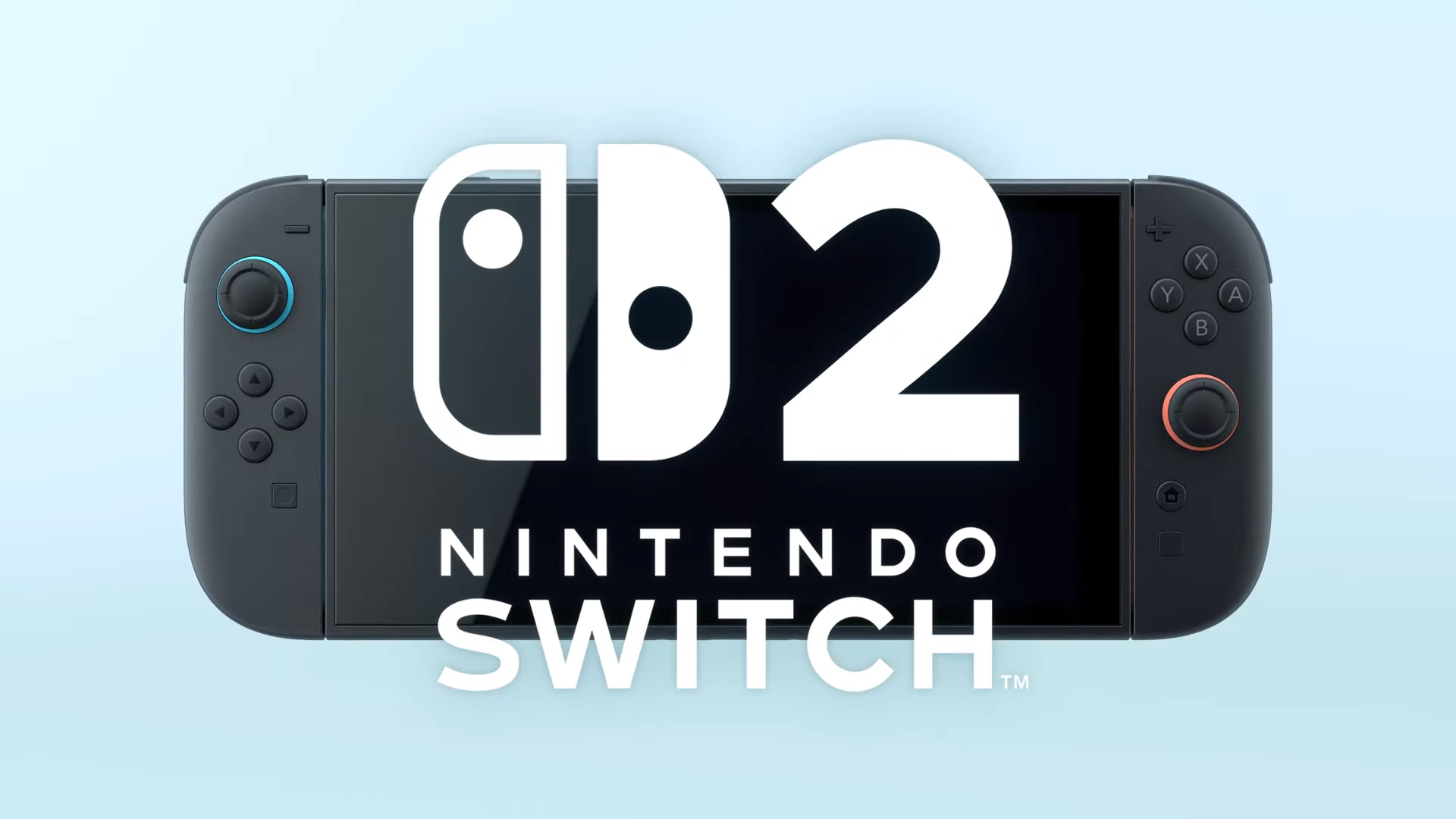
Zelnick also signaled cautious enthusiasm about the Switch 2, calling it a "strong opportunity" and hinting at a positive reception for Nintendo’s next-gen hardware. This optimism underscores Take-Two’s confidence in continued cross-platform accessibility and long-term growth potential.
Still, the company remains pragmatic. As Zelnick noted, tariff policy remains inherently unpredictable, shaped by shifting geopolitical dynamics and trade negotiations. While Take-Two’s current model provides strong downside protection, any major escalation—especially on digital content, cloud distribution, or hardware components—could still pose indirect risks over time.
Bottom Line:
Take-Two’s approach reflects a defensive, data-driven posture in uncertain times. Unlike hardware manufacturers, which face direct tariff exposure, Take-Two benefits from a business model built on digital distribution, long-term player engagement, and diversified platform support. This positions the company not just to weather tariff volatility—but potentially to thrive, as consumer spending shifts toward established, digitally accessible experiences.
In a sector increasingly shaped by external trade policy, Take-Two’s ability to anticipate and adapt—while focusing on what it controls—stands out as a masterclass in resilient gaming strategy.
Let me know if you’d like a version tailored for investors, media, or social media.
最新ニュース
もっと >-
- 「ヴァンパイアサバイバーズ」がテーブルトップゲームに拡大
- May 14,2026
-
- 長崎野生エリアイベント向け『ポケモンGO』新情報が公開
- May 12,2026
-
- 「ソロリッチクラッシュ」がハロウィンイベントを開催、ゲーム内イベントも盛りだくさん
- May 12,2026
-
- ラグナロクX:ミッドガル新規プレイヤー向けガイド
- May 09,2026
-
- ドレッドムール:アポカリプス後の謎を钓る
- May 08,2026