Take-Two mantiene optimismo pese a cambios en aranceles
- By Aaron
- Mar 15,2026
Strauss Zelnick’s measured and confident tone during Take-Two’s recent investor Q&A reflects a strategic maturity in navigating an increasingly uncertain global trade environment—particularly amid escalating U.S. tariff debates. His calm demeanor contrasts with the broader industry anxiety, underscoring how a diversified, digital-first business model can insulate a company from some of the more volatile external pressures.
Key Takeaways from Zelnick’s Commentary:
-
Digital Revenue as a Buffer
Take-Two’s heavy reliance on digital distribution—especially through platforms like Rockstar’s GTA Online, Red Dead Online, and mobile titles such as GTA: San Andreas and NBA 2K Mobile—provides a crucial buffer against physical supply chain disruptions and tariff volatility. Unlike hardware manufacturers, who face direct cost pass-throughs on consoles and peripherals, Take-Two’s core monetization happens post-purchase, often digitally and globally, with minimal incremental production or shipping costs. -
Installed Base Advantage
With a vast, established user base across PlayStation, Xbox, and PC—plus strong traction on mobile—Take-Two doesn’t need consumers to buy new hardware to drive revenue. This is particularly relevant given that most of their upcoming releases (including GTA 6, now targeting 2025) are designed for platforms already in millions of homes. As Zelnick noted, this gives them "sufficient visibility" and reduces the risk of sales disruption even if console price hikes deter new buyers. -
Strategic Hedging Against Tariff Volatility
While Zelnick didn’t rule out tailwinds from tariffs, he emphasized that current guidance already factors in a range of scenarios. His team appears to be operating under a "worst-case baseline" assumption, meaning they’ve already accounted for some level of tariff escalation. This suggests proactive risk management, not complacency. -
Nintendo Switch 2: A Forward-Looking Opportunity
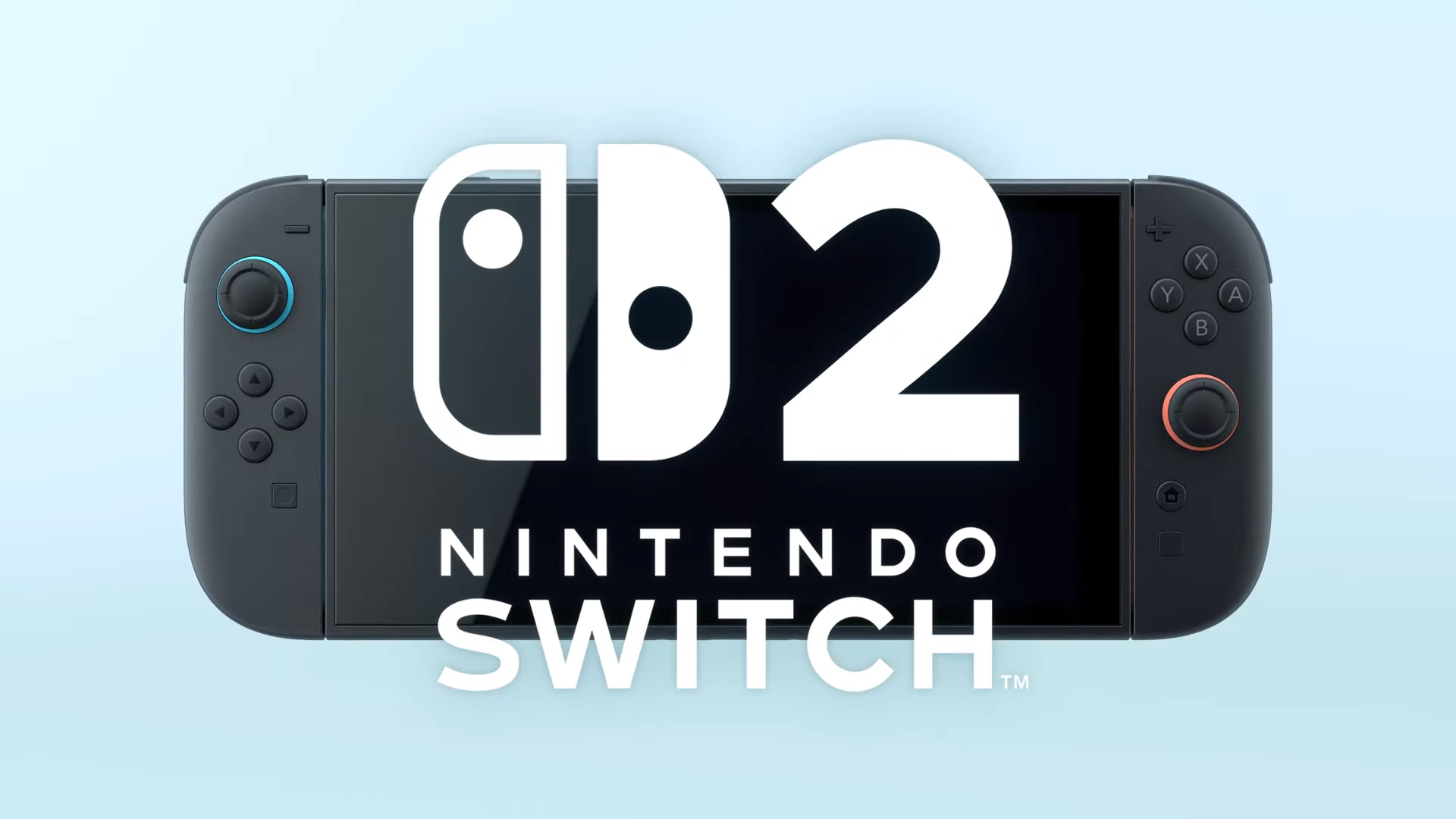
Zelnick’s upbeat remarks about the upcoming Switch 2 underscore a longer-term view. As a publisher with deep relationships across the ecosystem—including a successful partnership with Nintendo on GTA 6’s cross-platform co-marketing—Take-Two stands to benefit from any new console wave. The Switch 2’s launch could reinvigorate physical game sales, potentially boosting both licensing and co-op marketing opportunities. However, Zelnick wisely avoided overpromising, focusing instead on readiness and flexibility. -
Industry-Wide Caution, But Not Panic
Zelnick’s acknowledgment of the "fluid" nature of U.S. trade policy is telling. While Microsoft and Sony have already signaled price increases for their consoles due to tariff concerns, Take-Two’s position is more resilient because it’s not a hardware producer. Still, he wisely avoids dismissing the broader implications—especially for smaller developers and publishers who rely on physical distribution and third-party hardware sales.
The Bigger Picture: What This Means for the Gaming Ecosystem
- For Publishers: Companies with strong digital pipelines and large existing user bases (like Take-Two, EA, Activision Blizzard) are better positioned to weather tariff storms.
- For Developers: Smaller studios without digital reach may face longer-term challenges, particularly if physical retail channels shrink due to cost pressures.
- For Consumers: Price hikes on hardware remain a real threat, potentially slowing adoption of next-gen consoles. But for existing users, game prices and in-game economies remain relatively stable—thanks to digital-first models.
Final Thought
Zelnick’s confidence isn’t blind optimism—it’s the product of a business built on resilience, visibility, and digital dominance. While other parts of the industry grapple with macroeconomic uncertainty, Take-Two’s strategy exemplifies how the future of gaming revenue lies less in hardware and more in long-term digital engagement, ecosystem lock-in, and global scalability.
As GTA 6 inches closer to its 2025 launch, and as the world watches how trade policy unfolds, Take-Two may not be immune to external shocks—but it’s clearly far better armored than most.
Últimas noticias
Más >-
-
-
-
-
- Dreadmoor: Pesca en un misterio postapocalíptico
- May 08,2026