Take-Two affichant une confiance optimiste malgré les changements tarifaires
- By Aaron
- Mar 15,2026
Strauss Zelnick’s measured and confident stance during Take-Two’s recent investor Q&A reflects a strategic awareness of both macroeconomic headwinds and the company’s unique positioning within the evolving gaming landscape. His calm demeanor in the face of tariff uncertainty—especially amid industry-wide speculation about price hikes for consoles like the Xbox Series and PlayStation 5—underscores a few key advantages that insulate Take-Two from immediate disruption:
1. Diversified Revenue Model with Strong Digital Footprint
Take-Two’s growing reliance on digital distribution is central to its resilience. With major franchises like Grand Theft Auto Online, Red Dead Redemption 2: Online, and mobile hits such as GTA: San Andreas and NBA 2K Mobile, the company generates substantial revenue from tariff-exempt digital sales. Unlike physical hardware or disc-based software, digital content isn’t subject to import duties in the same way, reducing exposure to tariff volatility.
This shift toward digital isn’t just a trend—it’s a structural moat. As Zelnick noted, this allows Take-Two to maintain visibility and predictability, even if console pricing shifts due to external factors.
2. Established Installed Base Across All Major Platforms
Zelnick’s point about having an "established installed base across all target platforms" is critical. Unlike companies that rely heavily on new hardware cycles (e.g., Sony and Microsoft), Take-Two can leverage existing user bases to drive adoption and monetization for new games. This reduces dependency on new console purchases, which are often the first to face price pressures due to tariffs.
For example:
- GTA 6’s delayed 2025 launch still benefits from a massive global player base already invested in the franchise and its online ecosystem.
- The Last of Us Part I and Marvel’s Spider-Man 2 (even if not a Take-Two title) highlight how long-term player engagement matters more than new hardware adoption.
3. Strategic Timing and Franchise Strength
The delay of GTA 6 to 2025—while initially a concern for some investors—may actually be a strategic advantage in today’s uncertain environment. By aligning the launch with a more stable fiscal window, Take-Two avoids potential timing risks related to trade policy shifts or inflationary pressures. It also allows the company to:
- Optimize marketing spend.
- Deepen in-game economies ahead of launch.
- Build anticipation without being forced into a rushed, high-cost rollout.
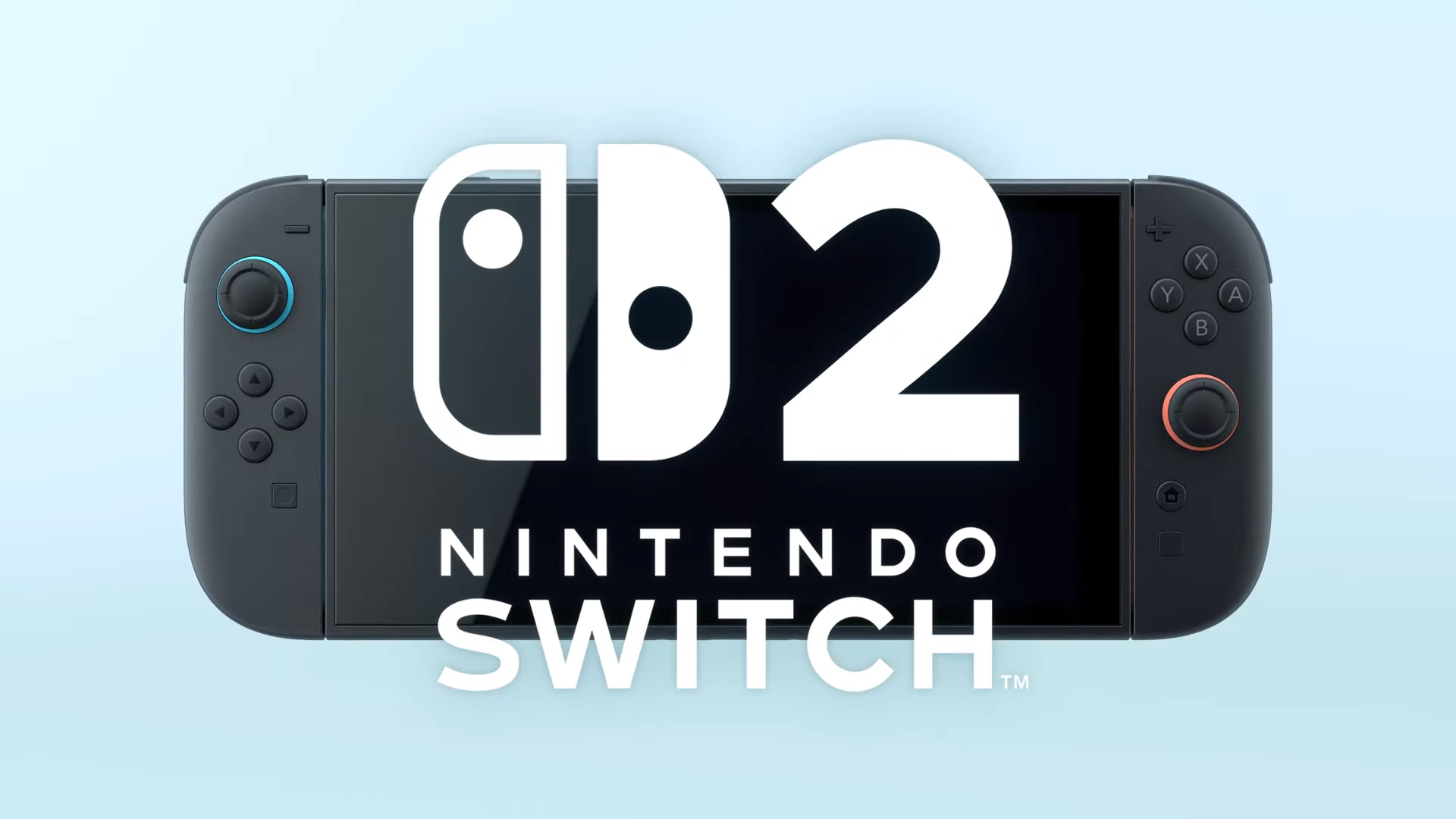
4. Nintendo Switch 2: A Bright Spot in the Ecosystem
Zelnick’s enthusiasm for the upcoming Switch 2 signals more than optimism—it reflects a long-term bet on ecosystem diversification. While Take-Two hasn’t confirmed a Switch 2 release for GTA 6 or NBA 2K, the company has not ruled it out. The console’s continued popularity and strong third-party support make it a compelling long-term platform.
Moreover, Nintendo’s closed but loyal ecosystem offers predictable, high-margin opportunities for publishers who can adapt. With a history of strong second-party and first-party partnerships, the Switch 2 could open new avenues for monetization—especially in mobile-integrated experiences and digital bundles.
Looking Ahead: What’s in Play?
While tariffs remain unpredictable, Take-Two’s strategy positions it to weather volatility:
- Short-term: Minimal impact expected due to digital focus and established platforms.
- Medium-term: Continued investment in online economies and cross-platform availability will further insulate revenue.
- Long-term: Strategic flexibility, strong IP portfolio, and digital-first execution give Take-Two an edge over more hardware-dependent competitors.
Final Take
Zelnick’s confidence isn’t blind optimism—it’s rooted in execution. He’s not ignoring the risks; he’s simply built a business model that assumes volatility and plans accordingly. In an era of geopolitical uncertainty, that level of preparedness is itself a competitive advantage.
As the dust settles on tariff debates and console price talks, one thing is clear: the future of gaming isn’t just about hardware—it’s about ecosystems, digital access, and long-term player engagement. And in that space, Take-Two is not just surviving. It’s thriving.